Bordeaux is the wine region everyone knows by name but surprisingly few visit well. Most people picture impossibly grand chateaux, bottles that cost more than their hotel room, and a general air of “you’re not important enough to be here.” Some of that’s earned. But the reality is far more welcoming — and far more interesting — than the reputation suggests. With 7,000 wineries spread across 57 appellations producing roughly 900 million bottles a year, Bordeaux isn’t just France’s largest fine wine region. It’s essentially its own country, with enough variety to keep you coming back for decades.
This guide is for anyone planning a trip, whether you’re a casual wine drinker who knows they like “the red one” or a collector who can debate the merits of the 2005 versus 2009 vintage at length. We’ll cover what you’ll taste, where to go, how to get there, and the practical stuff that most guides skip entirely. Bordeaux sits in southwest France, roughly two hours from Paris by TGV high-speed train, and the city itself is a UNESCO World Heritage site that happens to be surrounded by some of the most famous vineyards on earth.
Why Bordeaux — What Makes It Special
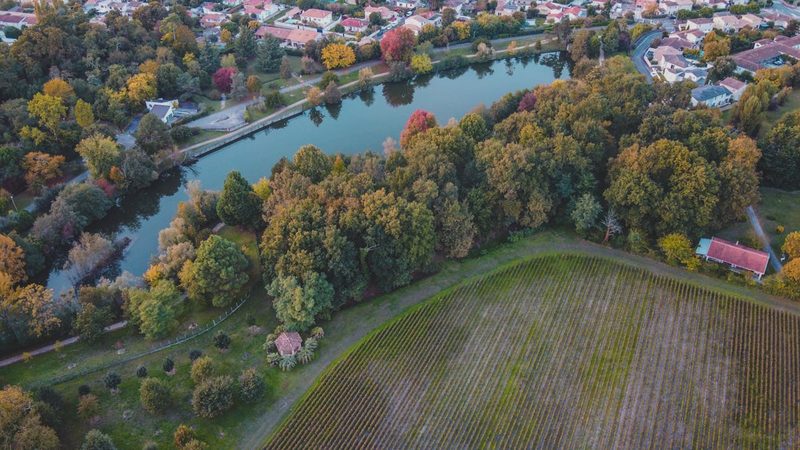
Every major wine region has its thing. Burgundy has its obsessive terroir classification. Champagne has bubbles and marketing genius. Bordeaux has scale, history, and blends.
Where most French regions champion a single grape variety, Bordeaux builds its wines by blending several together. A typical red might combine Cabernet Sauvignon, Merlot, and Cabernet Franc, with each grape contributing something the others lack — structure, fruit, perfume. It’s an ensemble cast rather than a one-person show, and when it works, it produces wines of extraordinary complexity.
The classification system here dates back to 1855, when Napoleon III asked Bordeaux merchants to rank their best wines for the Paris World Exhibition. They obliged, creating a hierarchy that — with exactly one amendment in 170 years — still dictates prices and prestige today. Whether that’s admirable consistency or absurd stubbornness depends on your perspective. Probably both.
Then there’s the sheer diversity. Bordeaux makes 86% red wine, yes, but also exceptional dry whites, some of the world’s greatest sweet wines, and even rosé and sparkling Crémant that most people don’t know exist. You could spend a week here tasting nothing but Sauternes and white Bordeaux and never feel like you’d missed the point.
The city itself has transformed over the past two decades. What was once a somewhat grey, somewhat sleepy port town is now genuinely beautiful — cleaned limestone facades, a world-class wine museum, excellent restaurants, and a riverfront that rivals anything in Europe. It’s also a functional base for exploring vineyards in every direction.
The Wines — What You’ll Be Tasting
Understanding Bordeaux wine comes down to geography. The Gironde estuary and its two feeding rivers — the Garonne and the Dordogne — split the region into distinct zones, each with different soils, different dominant grapes, and genuinely different styles of wine. Here’s what you need to know before your first tasting.
Left Bank (Médoc, Graves, Pessac-Léognan)
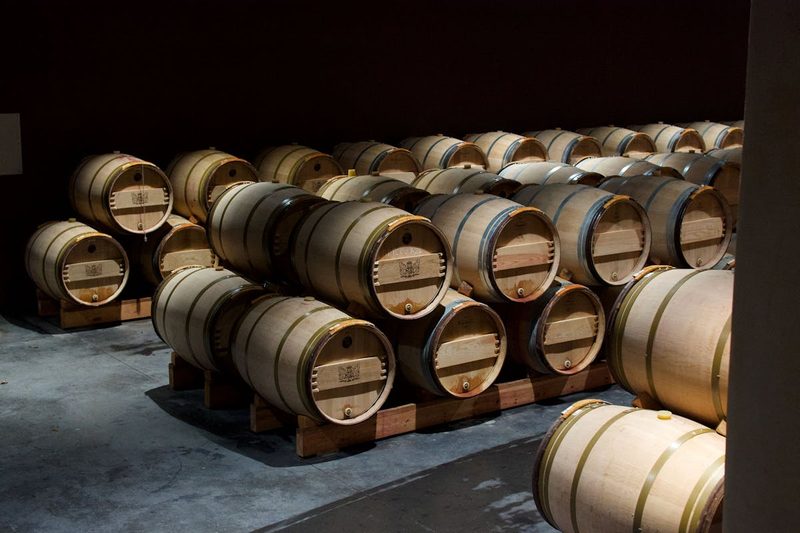
The Left Bank sits west and south of the Gironde estuary and Garonne river, on deep gravel beds that drain fast and force vine roots to dig deep for water. Cabernet Sauvignon thrives here — a grape that produces wines with firm tannins (that drying, structural sensation in your mouth), dark fruit, and the ability to age for decades.
The major appellations read like a wine lover’s wish list. Pauillac is home to three of the five First Growths — Lafite Rothschild, Latour, and Mouton Rothschild — and produces the most powerful, long-lived wines in Bordeaux. Saint-Julien makes arguably the most consistent wines, balanced and refined. Margaux tends toward elegance and perfume. Saint-Estèphe is the most austere, the most tannic, and often the best value of the four.
Further south, Pessac-Léognan produces both reds and outstanding whites, and has the advantage of being closest to the city — some vineyards are literally in the Bordeaux suburbs. Graves, the broader appellation surrounding it, offers solid wines at friendlier prices.
If you only know Bordeaux from expensive bottles, this is probably what you’ve been drinking. Bold, structured, built to last. Young Left Bank wines can be punishingly tannic — give them time or look for wines with at least five years of age.
Right Bank (Saint-Émilion, Pomerol)
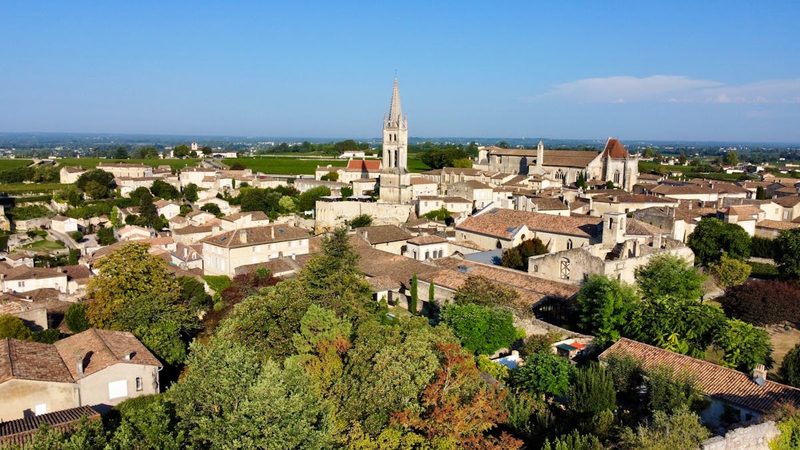
Cross the Dordogne river and everything changes. Clay and limestone soils replace gravel. Merlot dominates instead of Cabernet Sauvignon. The wines are softer, rounder, more immediately approachable — which doesn’t mean simpler, just different.
Saint-Émilion is the postcard. A medieval hilltop village designated UNESCO World Heritage, surrounded by roughly 800 wineries cascading down limestone slopes. The village itself is worth a visit even if you don’t care about wine — a 30-minute walk takes you past a remarkable 12th-century monolithic church carved entirely from rock, and the town claims to be where nuns first invented macarons. The wines range from affordable everyday bottles to Château Ausone and Château Cheval Blanc, which trade at First Growth prices without technically being part of the 1855 classification (Saint-Émilion has its own system, reclassified every decade or so, and recently generating more lawsuits than revisions).
Pomerol is tiny, exclusive, and home to Château Pétrus — arguably the most famous Merlot-based wine in the world. The appellation has no official classification at all, which either makes it refreshingly unpretentious or irritatingly opaque. Most Pomerol chateaux are small, family-run, and don’t receive visitors unless you have a connection. Don’t take it personally.
For most visitors, the Right Bank is more enjoyable to explore. The properties are smaller, the people are often warmer, and the wines are easier to appreciate without fifteen years of cellar time.
Sweet Wines (Sauternes and Barsac)
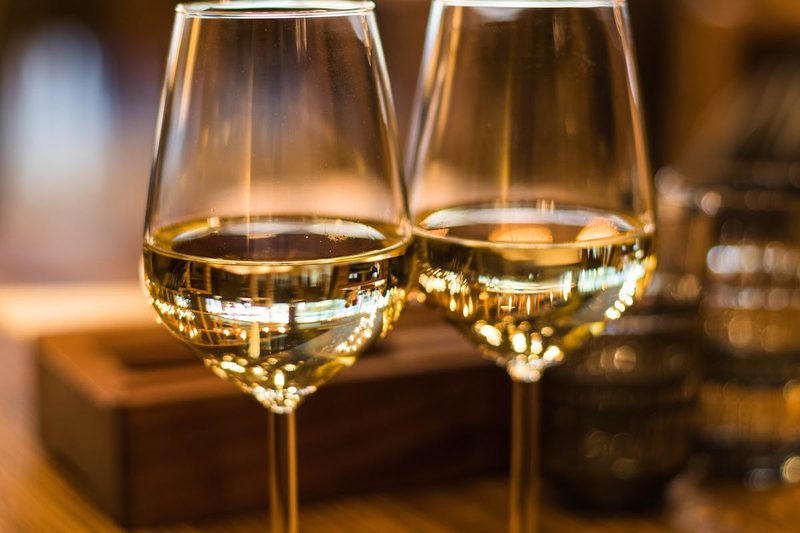
Sauternes is one of the wine world’s great miracles, and also one of its great commercial tragedies. Only 27 wineries produce this golden, honeyed wine, using grapes affected by noble rot — a beneficial fungus called botrytis that concentrates sugars and flavors to extraordinary levels. It happens because morning mists from the Garonne river create perfect conditions for the fungus, which winemakers then carefully manage, picking individual berries by hand over multiple passes through the vineyard.
The result is one of the most labor-intensive, lowest-yield wines in the world. A single vine at Château d’Yquem might produce enough juice for one glass. One glass. From an entire vine.
The problem is that sweet wine has fallen out of fashion, and prices haven’t kept pace with the effort required. Many producers are pivoting to dry whites as well, which is understandable but slightly heartbreaking. If you’ve never had great Sauternes, fix that. Try it with foie gras, with blue cheese, or — our favorite — completely on its own as a dessert course.
Maison du Sauternes in the village offers tastings from bottles ranging €14 to €500, making it the easiest single stop for exploring the style without booking appointments across the appellation.
White Bordeaux and Rosé
White Bordeaux is genuinely underrated. Made primarily from Sauvignon Blanc and Sémillon, the best examples from Pessac-Léognan rival white Burgundy in complexity at a fraction of the price. Dry, mineral, with a waxy richness from Sémillon that Sauvignon Blanc alone never achieves.
Entre-Deux-Mers — literally “between two seas,” referring to the Garonne and Dordogne rivers — produces lighter, crisp whites that make perfect aperitifs and pair beautifully with the Atlantic oysters you’ll find at every market. This is also Bordeaux’s most affordable appellation, a fine entry point if you’re watching your budget.
Rosé and Crémant de Bordeaux (traditional method sparkling wine) both exist and are both largely ignored. The Crémant can be genuinely good and costs a third of what you’d pay for Champagne. Worth trying if you spot it.
Best Wineries and Producers to Visit
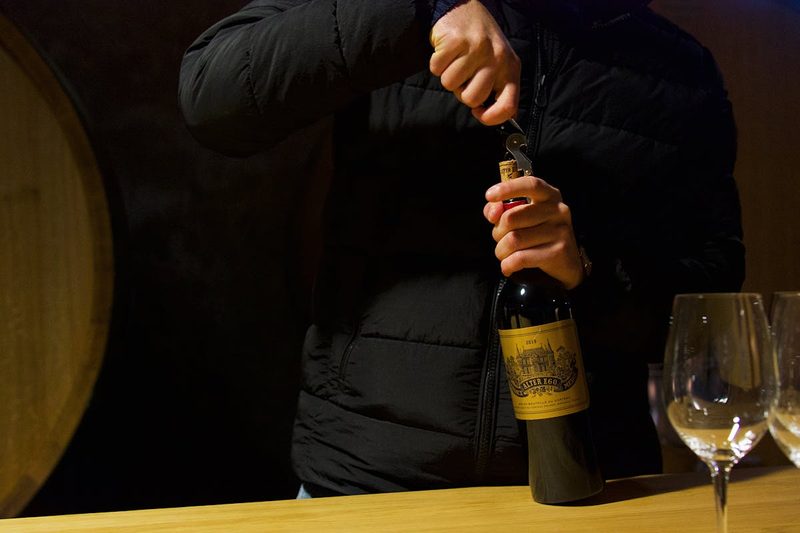
Here’s something that catches many visitors off guard: most Bordeaux chateaux require appointments. This isn’t Napa Valley, where you can wander from one tasting room to the next all afternoon. Plan ahead, book at least a few days in advance, and don’t expect to visit more than three or four properties in a day. Your palate will thank you.
Tastings range from free to over €50, and the trend is firmly toward charging more. Fair enough — you’re often tasting wines that retail for €30-100 a bottle. Booking platforms like Rue des Vignerons specialize in connecting visitors with smaller, family-owned estates that don’t have marketing departments.
For First-Timers
Château Carbonnieux (Pessac-Léognan) — One of the rare properties where you can simply show up. Drop-in visits with no appointment needed, doors open at 8:30am. They’re particularly known for their white wine, which has a lovely Thomas Jefferson connection — the third US president ordered it regularly. Located close to the city, making it an easy first stop.
Château Guiraud (Sauternes) — A Premier Grand Cru Classé estate (the top tier) that also happens to be the first certified organic property in Sauternes, since 2011. They offer a bike tour with a phone-guided route through the vineyards, which is a far more interesting way to experience the estate than sitting in a tasting room. The sweet wines here are exceptional.
La Maison Cardinale (Saint-Émilion) — If you’re worried about wine visits being stuffy and intimidating, start here. They run a Polaroid scavenger hunt through the property and offer wine-and-music tastings that pair different tracks with different wines. Gimmicky? Slightly. But genuinely fun, and the wines are solid.
For Serious Wine Lovers
Château La Gaffelière (Saint-Émilion) — Premier Grand Cru Classé B with Roman ruins on the property and Merlot vines pushing 90 years old. At €20 for a visit and tasting, it’s remarkable value for the quality and history. The wines are structured, complex, and age beautifully.
Château Haut-Bages Libéral (Pauillac) — A Fifth Growth (Cinquième Grand Cru Classé) that has become a pioneer of biodynamic viticulture in the Médoc. If you’re interested in the intersection of traditional classification and progressive winemaking, this is your stop.
Château Lagrange (Saint-Julien) — Third Growth with a twist: they offer Méhari vineyard tours (those are the charming open-top vintage cars) and a blending workshop where you can try your hand at assembling your own Bordeaux blend. You’ll gain more understanding of what makes a good blend in thirty minutes than from reading a dozen books.
Château Climens (Barsac) — Premier Grand Cru Classé sweet wine producer going fully organic and biodynamic, while also pushing into innovative dry whites. This is the future of Sauternes, and it’s fascinating to taste.
Best Value Tastings
Château Bernateau (Saint-Émilion) — Small, family-run, and genuinely intimate. You’ll likely meet the owner. This is the Bordeaux experience that most visitors hope for but rarely find at the famous names.
Château Pressac (Saint-Émilion) — Worth visiting for the panoramic views alone, but the wines and family history make it a complete experience. Great value for a classified estate.
Château d’Arsac (Médoc) — Combines wine with contemporary art installations scattered throughout the grounds. If your travel companion is more interested in art than tannin levels, this keeps everyone happy.
Château Lestrille (Entre-Deux-Mers) — Makes red, white, and rosé, so you can taste the full spectrum of Bordeaux styles at a single property. Useful if you’re short on time and want breadth over depth.
A Note on First Growths
Let’s be honest about this. The five First Growths — Lafite Rothschild, Latour, Mouton Rothschild, Margaux, and Haut-Brion — plus Right Bank equivalents Ausone and Cheval Blanc are what many visitors dream of seeing. The reality is that most are closed to non-professionals. Latour, Lafite, Mouton Rothschild, Ausone, and Cheval Blanc don’t receive casual visitors at all.
Château Haut-Brion has historically been the exception — the only First Growth offering free tours and tastings to the public. However, it’s currently closed for renovation. Check before you go.
Château Margaux offers a free tour but no tasting unless you’re in the wine trade. You can admire the stunning neoclassical building, learn about the winemaking, and then buy a bottle in the shop if you’d like to taste it at your hotel.
Don’t lose sleep over this. Plenty of classified and unclassified chateaux make extraordinary wine and actually want you there.
Planning Your Visit
When to Go
April through June is ideal. The weather is warm but not oppressive, the vineyards are lush and photogenic, and you won’t be competing with summer crowds. September and October bring harvest season — the energy in the vineyards is electric, but many properties are too busy making wine to host visitors. Book well ahead if you want harvest-season access.
Avoid late July and August if wine is your priority. Many chateaux close entirely for summer holidays. Yes, French wine producers take August off. The irony of visiting France’s most famous wine region when nobody’s pouring wine is lost on too many tourists.
Look out for portes ouvertes events — organized open-door weekends where multiple chateaux in an appellation welcome visitors without appointments, often with free tastings. Individual appellations schedule these throughout the year. The Bordeaux Wine Festival, held biennially in June along the riverfront, is also worth planning around if the timing works.
How to Get There
The TGV from Paris Gare Montparnasse to Bordeaux Saint-Jean takes about two hours and deposits you right in the city center. Book early for the best fares — they can be remarkably cheap if you’re flexible.
Bordeaux-Mérignac Airport has direct flights from most major European cities and some seasonal transatlantic routes. It’s about 30 minutes from the city center by bus or taxi.
Driving from Paris takes roughly six hours and is only worthwhile if you’re combining Bordeaux with other regions — perhaps a stop in the Loire Valley on the way down.
Getting Around
Within Bordeaux city, the tramway is excellent. Buy an unlimited day pass and you can reach most restaurants, wine bars, and the Cité du Vin without thinking about parking or taxis. Uber exists but is limited — the narrow medieval streets in some neighborhoods make pickup awkward.
For visiting wineries, you need a plan. Options, roughly in order of independence:
Rental car: Maximum flexibility, essential if you want to explore multiple appellations at your own pace. French autoroutes are well-maintained and toll roads are fast. Parking at chateaux is usually free. In the city, Interparking at Cité du Vin costs €22 per 24 hours and is secure. Avoid free lots near tourist areas — break-ins happen.
Guided tours: If you’d rather not drive after tasting (wise), GetYourGuide and Viator both offer half-day and full-day wine tours from Bordeaux with transport included. Quality varies — read reviews carefully and avoid anything that promises five chateaux in four hours. That’s a bus tour, not a wine experience.
Cycling: Surprisingly viable, especially in flat areas like Entre-Deux-Mers and parts of the Médoc. Several companies rent bikes, and the distances between chateaux are manageable if you’re reasonably fit and moderate with tastings.
Where to Stay
The Chartrons neighborhood is our pick. It’s a former wine merchant district along the river, now full of antique shops, wine bars, and restaurants, with easy tramway access to the rest of the city. It has the feel of a village within the city — walkable, interesting, and not overrun with tourists.
If you’re on a budget, Mama Shelter offers bare-bones three-star rooms in a lively setting. Don’t expect luxury, but the location works and the rooftop bar is decent.
For a wider range of options in the city center, Booking.com has good coverage of Bordeaux hotels across all price points. Book early during festival periods.
Staying in Saint-Émilion is an alternative if the Right Bank is your focus. The village is charming but small — two nights is plenty before you’ll want more restaurant options than the village can offer.
How Long to Spend
Three days is the minimum to get a real feel for the region. Day one in the city — Cité du Vin, wine bars, restaurants. Day two visiting Left Bank chateaux. Day three on the Right Bank and Saint-Émilion.
Five to seven days lets you explore properly. Add a day for Sauternes, a day for Entre-Deux-Mers, time for a long lunch (mandatory in France), and enough slack to follow recommendations you’ll pick up along the way. Bordeaux rewards unhurried visits.
A single day? You can do it — focus on the city, visit Cité du Vin, and hit a wine bar or two. You won’t see vineyards, but you’ll taste good wine and understand the region better than most people who write about it online.
What to Eat
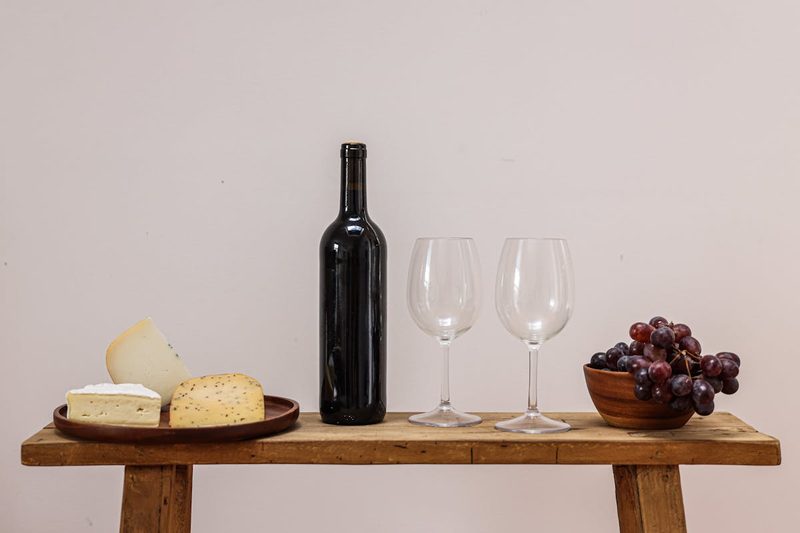
Bordeaux’s food scene has matured significantly, and the local pairing traditions are worth following. They exist for a reason.
Red Bordeaux with a good ribeye or lamb is the classic for a reason — the tannins in the wine cut through the fat, and both are elevated. Graves reds, which tend to be lighter and more mineral, work better with roasted chicken or even firm white fish. White Bordeaux with Atlantic oysters is one of those pairings that makes you question why you’d ever drink anything else with shellfish. And Sauternes with foie gras is probably the single greatest food-wine match in existence. Rich, sweet, unctuous, unforgettable.
For restaurants in the city:
Les Halles de Bacalan — A food hall near Cité du Vin with around 24 stands serving everything from oysters to charcuterie to Asian street food. Great for a casual lunch where everyone in your group can eat something different. Not fine dining, but excellent quality and atmosphere.
Symbiose — Waterfront location with a focus on fish and seafood. A good choice if you’re looking for something pescatarian-friendly, which can be challenging in a region that revolves around red meat and red wine.
Peppone — Italian, and very good. Sometimes you need a break from French cuisine on day four. No shame in it.
Tchanque — Rooftop spot worth booking for the view, especially at sunset. The food is secondary to the setting, but that’s fine when the setting is this good.
For wine bars — and you should visit at least one — Le Sobre Chartrons has roughly 50 wines available through automatic dispensers where you pay per ounce. It’s an excellent way to taste expensive wines without committing to a full bottle. Complanterra specializes in organic, biodynamic, and natural wines if you want to explore Bordeaux’s more progressive side.
Don’t leave without trying cannelés — the small, caramelized pastries with a custardy center that are Bordeaux’s signature sweet. La P’tite Boulangerie de Notre Dame makes famous ones. And if you appreciate bread, Au Pétrin Moissagais has been baking since the 1760s. Their pain Gascon is worth a detour.
Practical Tips
Book appointments early. We’ve said it, but it bears repeating. Most chateaux need at least a few days’ notice, and popular ones in high season may need weeks. Rue des Vignerons is useful for finding and booking visits at smaller estates.
Pace yourself. Three to four winery visits per day is realistic. More than that and your palate fatigues, your notes become illegible, and you start agreeing that everything is “really lovely.” Spread visits across the day with a long lunch in between.
Use spit buckets. Every professional does. Nobody will judge you, and you’ll actually remember what you tasted. This is especially important if you’re driving.
A great bottle of red Bordeaux costs about €25-30. You don’t need to spend €100 to drink well here. Ask for recommendations at wine shops and bars — the staff are generally knowledgeable and happy to guide you to value.
Visit the Cité du Vin. It’s a genuinely excellent wine museum — interactive, well-designed, and educational without being condescending. The architecture is striking (meant to evoke swirling wine in a glass), and the ticket includes a tasting on the top-floor belvedere with panoramic views. Allow at least two to three hours.
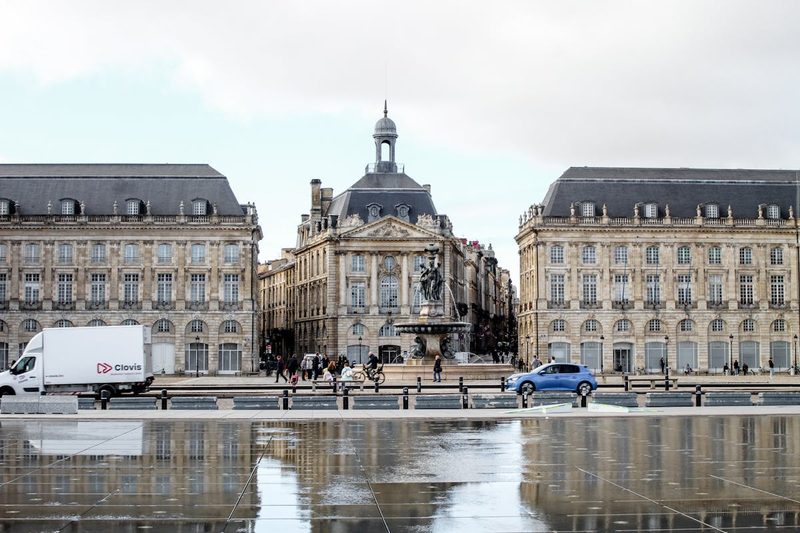
Other city highlights. The Miroir d’Eau in front of the Palais de la Bourse is the world’s largest reflecting pool and absurdly photogenic. Bassin des Lumières hosts immersive art exhibitions in a former submarine base. Librairie Mollat is France’s largest independent bookstore and a beautiful space even if you don’t read French.
Learn two phrases. “Est-ce que vous acceptez les visiteurs?” (Do you accept visitors?) and “On peut goûter?” (Can we taste?). Even if the answer comes back in English — and in tourist-facing chateaux it usually will — the effort is appreciated.
Shipping wine home. Most chateaux can arrange shipping, but it’s expensive. If you’re buying multiple bottles across several visits, consolidating through a shipping service in the city is cheaper. Wine shops in Chartrons can advise.
The weather. Bordeaux is Atlantic maritime climate — milder than you’d expect for France, but rain is always possible. Bring layers and something waterproof. Vineyard visits involve walking on gravel and grass, so leave the heels at the hotel.
Related Wine Regions
Bordeaux is a natural starting point, but France has wine regions for every taste and travel style. If you’re planning a longer trip, consider combining Bordeaux with one of these:
- Burgundy — If Bordeaux is about blending, Burgundy is about single-vineyard Pinot Noir and Chardonnay taken to their absolute peak. A completely different philosophy and worth experiencing the contrast.
- Loire Valley — On the route between Paris and Bordeaux, making it a natural stopover. Stunning chateaux (the castle kind), excellent Sauvignon Blanc, and Chenin Blanc that rivals Bordeaux’s sweet wines for complexity.
- Rhône Valley — Bold Syrah in the north, generous Grenache blends in the south. Warmer climate, bigger wines, and Châteauneuf-du-Pape for those who find Bordeaux too restrained.
- Provence — Rosé country, obviously, but increasingly serious about its reds and whites. Combine with Bordeaux for a tour that covers France’s full spectrum.
- Alsace — Aromatic whites — Riesling, Gewürztraminer — in a Franco-German setting that feels like nowhere else in France.
- View all French wine regions
Bordeaux can feel intimidating from the outside — all that classification, all those chateaux, all that history. But once you’re there, glass in hand, standing in a vineyard that’s been producing wine since before your country existed, the pretension melts away. It’s just people making wine. Very, very good wine. Go taste it.